Ba kích

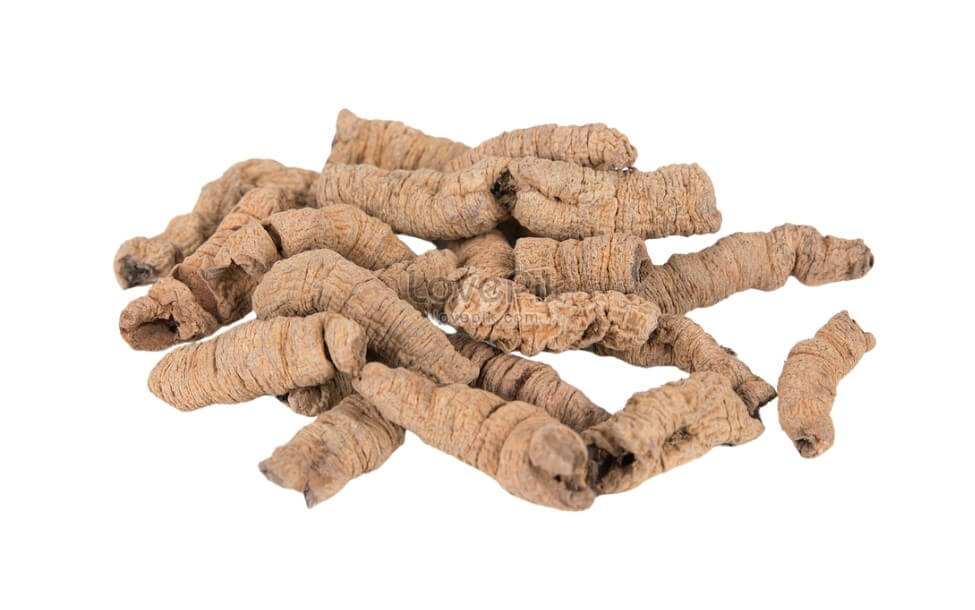
Tên khoa học: Morinda officinalis How Tên gọi khác: ba kích thiên, cây Ruột gà, chẩu phóng xì (Hải Ninh), thao tầy cáy, ba kích nhục, liên châu ba kích,… Theo tài liệu cổ: ba kích có vị cay ngọt, tính hơi ôn, là vị thuốc bổ trí não và tinh khí. Có tác dụng
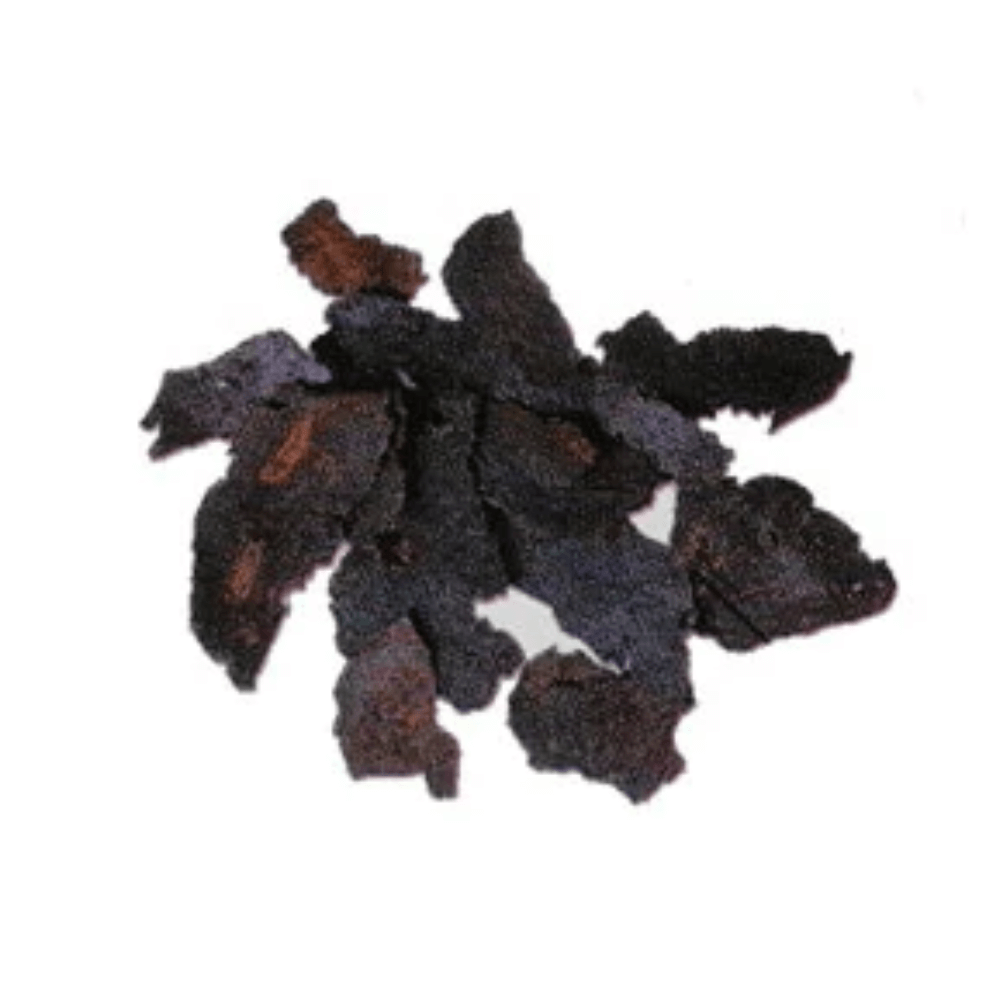
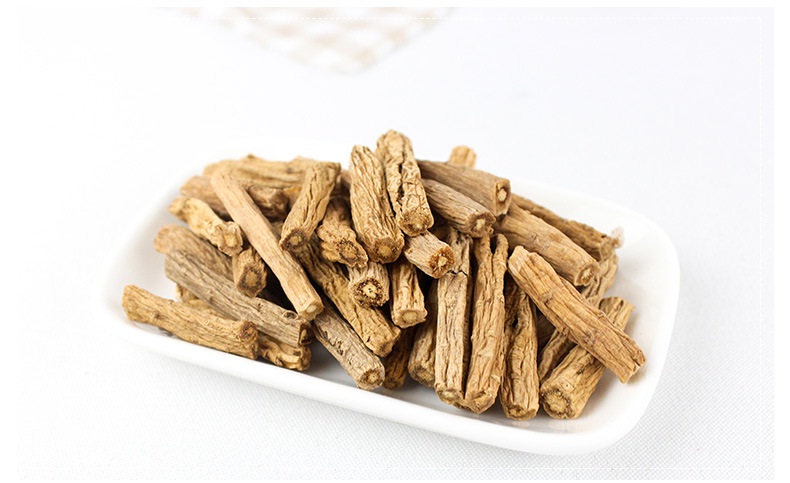
Hà thủ ô đỏ

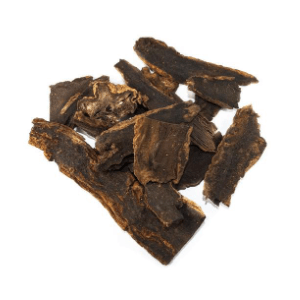
Tên khoa học: Fallopia multiflora (Thunb.) Haraldson Tên gọi khác: thủ ô, giao đằng, dạ hợp, địa tinh,… Công dụng: làm thuốc bổ, ích huyết khoẻ gân cốt, làm đen râu tóc,… Đỗ Tất Lợi, Những cây thuốc và vị thuốc Việt Nam, nhà xuất bản y học, 2004

Codonopsis sp.

Codonopsis species are widely used in traditional medicine and are considered to have multiple medicinal properties.Codonopsis Radix has been used in traditional Chinese medicine for replenishing qi(vital energy) deficiency, strengthening the immune system, improving poor gastrointestinal function, gastric ulcer and appetite, decreasing blood pressure, etc. The roots of C. lanceolata has been used for the

Angelica sinensis

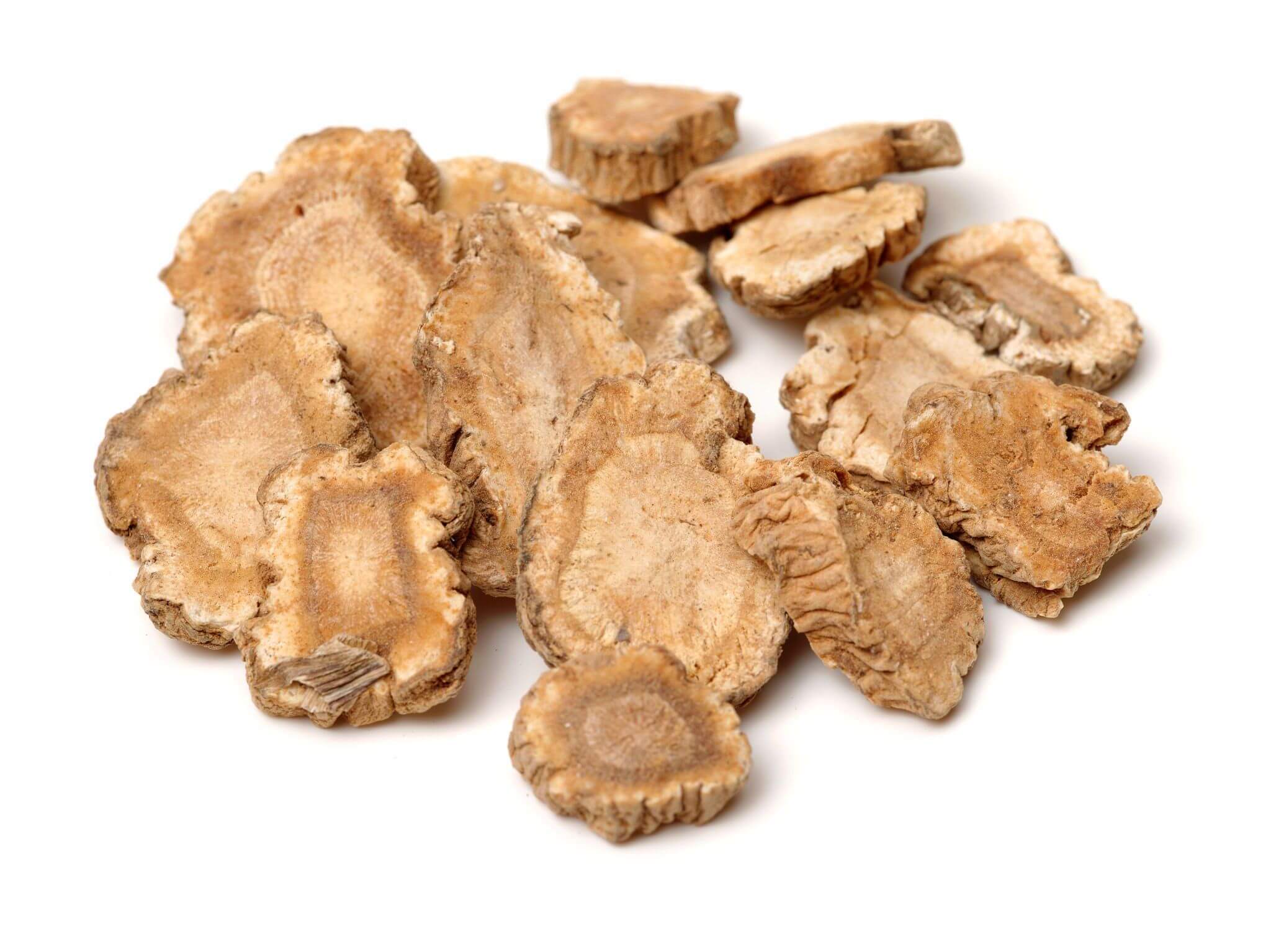
Specific Name: Angelica sinensis (Oliv.) Diels Chinese Name: Dong quai Angelica sinensis has been used in Chinese herbal medicine to treat a wide variety of diseases such as cold, anemia, inflammation, osteoarthritis, and migraine headache. P. Dinesh, M. Rasool, Herbal Formulations and Their Bioactive Components as Dietary Supplements for Treating Rheumatoid Arthritis, Bioactive Food as

Lemon grass

Cymbopogon citratus has a bitter and astringent in taste, plant is used for heart and throat problems, flatulence and phlegm conditions, sicknesses that cause blood vomiting, cholera, coughs and fevers with chest congestion. The essential oil of the plant is used in aromatherapyChinese Name: Xiang Mao Common Names: Lemon grass, Citronella, Squinant R. A. DeFilipps,

Lemon

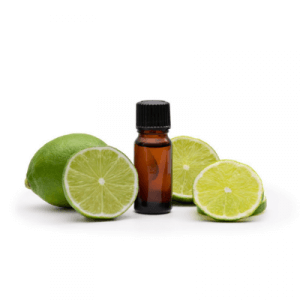
Chinese Name: Zhiqiao Common Names: Lime, Limau Citrus aurantifolia was traditionally used as an appetite stimulant, for cold and cough, for sore throat and as a digestive stimulant. it can also be use as an astringent for skin. Lime peel essential oil is use as an aroma and flavour enhancer. V. Apraj et, al, Pharmacognostic

Fructus gardenia

Common Name: Capejasmine Fruit Specific Name: Fructus gardenia Gardeniae fructus, the desiccative ripe fruits of this plant, were applied in china for centuries to extract natural colorants and as an important traditional herbal medicine. In Chinese Pharmacopoeia (2010), it is cold in nature and bitter in taste, with the effects of discharging fire, eliminating vexation,

Ledebouriella divaricata

Common Name: Ledebouriella Root Chinese Name: Fangfeng Specific Name: Radix saposhnikoviae Fang Feng is the root of Ledebouriella divaricata, family Umbelliferae. Fang Fenf has acrid and sweet taste, which has been used to treat dispels wind and releases the exterior, overcomes dampness and alleviates pain, expels wind to relieve tetany. It is indicated for the

Radix Scrophularia

Chinese Name: Xuanshen Radix Scrophularia has slightly bitter taste, which is used for clearing away heat and cooling blood, nourishing Yin and reducing fire, detoxicating and resolving a mass Q. Zhang, A. Liu, Y. Wang, Scrophularia ningpoensis Hemsl: a review of its phytochemistry, pharmacology, quality control and pharmacokinetics, Journal of Pharmacy and Pharmacology, 73(5),p. 573-600,

Angelica dahurica

Common Name: Dahurian Angelica Root Chinese Name: Baizhi Specific Name: Radix angelicae dahuricae Angelica dahurica is a widely acknowledged as a condiment and traditional medicinal plant. A. dahurica possesses an aromatic and slightly bitter taste. The extract of Angelica dahurica can be used for headaches, toothaches, colds, rheumatism and as sedative M. Deng et al,